

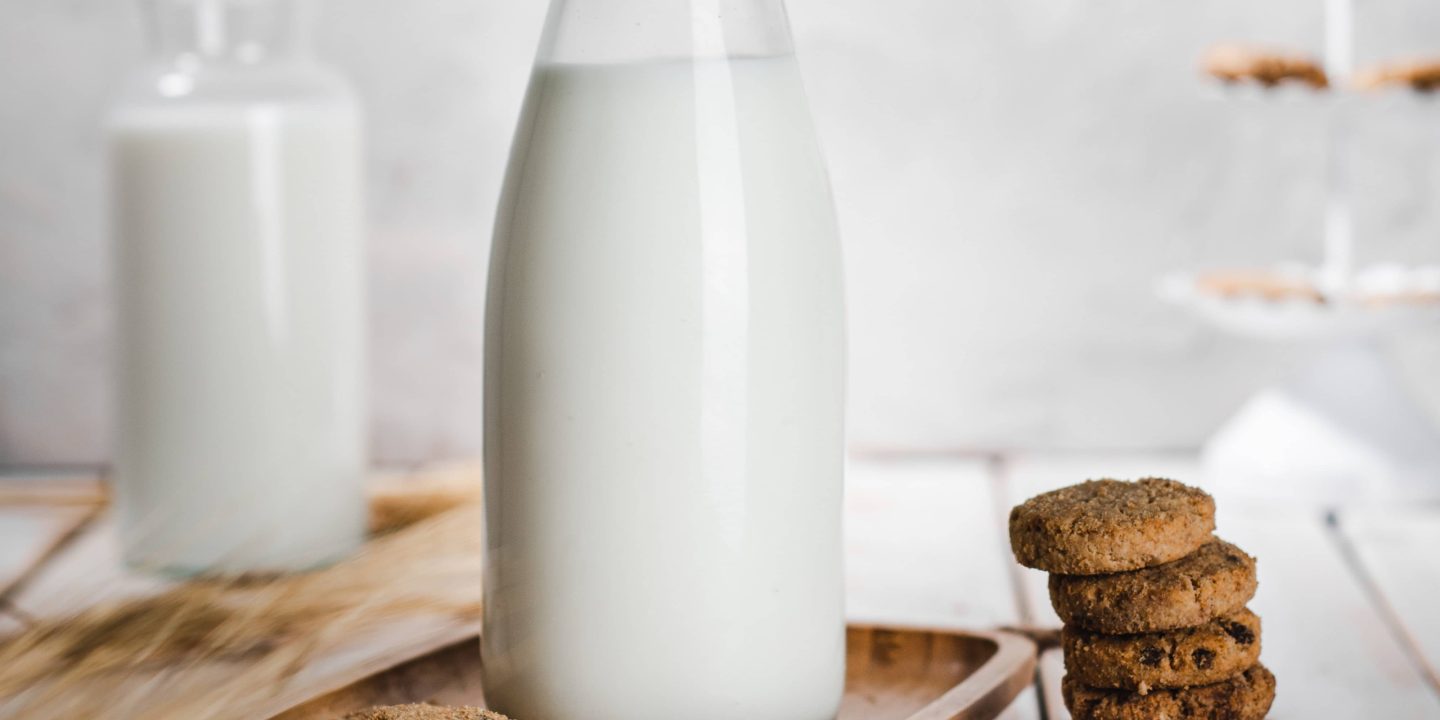
How important it is to have milk for your bone health
For generations, we’ve been told milk helps build strong bones. The question is whether science backs this up. Milk contains calcium. Calcium is known to improve bone mineral density. But demonstrating a definitive link between the consumption of milk and the possession of strong bones is harder than it sounds. In a research conducted by Harvard University, an impressive 77,000 female nurses were followed for 10 years. The researchers found no significant difference in the numbers of arm or hip fractures between those who drank one glass of milk a week or less and those who drank two or more. When the team did a similar study with 330,000 male health professionals, again milk didn’t seem to make a difference to fracture rates. In 2015 a team in New Zealand reviewed, combined and analyzed 15 studies. They found that for two years there was an increase in the bone mineral density, but that after that time the increase stopped.
When different countries have examined the same data, they have come to very different conclusions about their recommended daily intake of calcium. The US, for example, recommends almost twice as much the UK or India. In the US, the guidance has been for people to drink three 8oz (227ml) glasses a day. To confuse things further, in 2014 came the results of two large Swedish studies which led to headlines that drinking more than three glasses of milk a day – a larger amount that most people drink – was no help to your bones and might even harm you.
For that study, researchers at Uppsala University and the Karolinska Institute gave people questionnaires about their milk consumption in 1987 and again in 1997. Mortality rates were examined in 2010. People were alarmed to hear that drinking a glass of milk a day appeared to be associated both with more broken bones, and with early deaths.
Milk probably does have benefits for bone health, albeit benefits which are shorter lived than you might have hoped. In the Swedish studies, participants were required to estimate their milk consumption during the previous years, which is no easy task. It’s hard to know how much you eat with cereal, or in tea or in cooking. The study also throws up the perennial problem of correlation versus causation. Perhaps women who knew they had osteoporosis deliberately drank more milk in the hope of strengthening their bones. The study didn’t show that drinking milk was definitely causing the fractures. And to complicate the picture further, the Swedish team found that cheese and yoghurt consumption was associated with lower fracture rates.
So until we know more, the current weight of evidence suggests that it is still OK to continue to drink milk. It probably does have few benefits for bone health. It’s also worth keeping your bones strong through other methods such as exercise and getting enough vitamin D from your diet, from sunshine, etc.
Reference