
Pathor-Kutchi
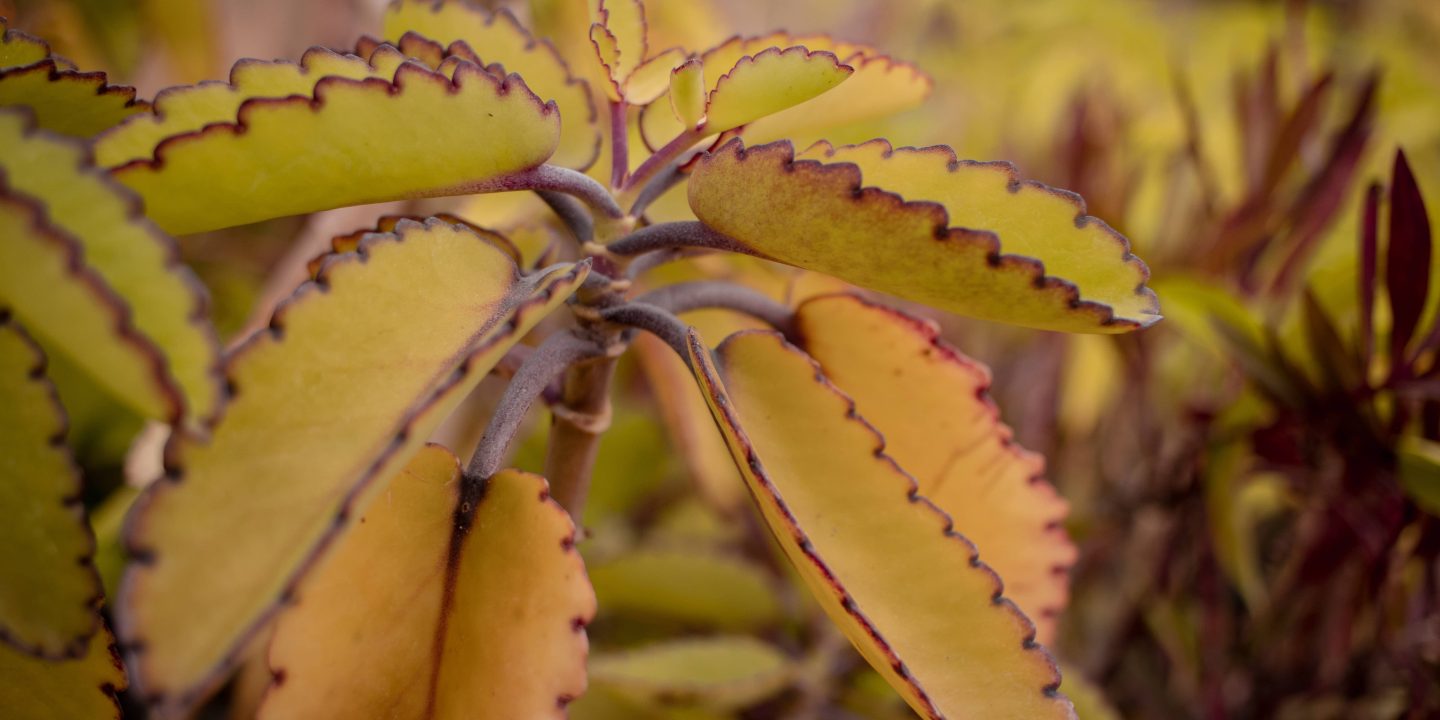
I couldn’t believe my eyes while I was walking down the stairs of a home. In an abandoned tub, I see them- a magical plant that I have been searching for so long, the magical pathor-kutchi plant or the air plant.
Do you remember them growing without any care on the side of your gate? I used to look at them with amazement, how a plant grows from a leaf! Just like magic.
As I grew up, I also learnt the magical benefits of this special plant, though unfortunately their visibility kept shrinking. Hence my excitement finding them in a desolated location.

This plant is native in South Africa, Madagascar and Asia. In Bangladesh we call it pathor kuchi. In other parts of the world it has numerous species and numerous names; it is called air plant, miracle leaf, mother of millions, leaf of life, pregnant leaf, stone chipps, never die, love plant and many such interesting names.
This plant grows rowing small plantlets on the fringes of the leaves; these eventually drop off and root. You technically do not need soil or proper care for this plant to grow. But in contrary this plant gives amazing benefits to our health. Even if we keep the recent discussion of the possibility of producing electricity from the air plant, the amazing medicinal benefit offered by this plant is enormous. It is astringent, sour in taste, sweet in the post digestive effect and has hot potency. It is well known for its hemostatic and wound healing properties. If you haven’t thought of having a pathor kutchi plant in your verandah, you may once you see the following list of benefits from this excellent low maintenance plant:
The leaves are used both externally and internally. They have diuretic, wound healing, hepatoprotective, antimicrobial, antihypertensive and anti-inflammatory activities and are beneficial in urinary bladder and kidney stones, intestinal problem, ulcers, arthritis, inflammation, conjunctivitis, menstrual disorders, migraine, urethritis, wound, dysentery, ulcers, indigestion etc.
- Astringent: Causing the contraction of skin cells and other body tissues and helps to stop bleeding.
- Analgesic: Relieve pain.
- Anti-aggregant: Decrease platelet aggregation and inhibit thrombus formation.
- Anti–dysenteric: Relieving or preventing dysentery.
- Anti–inflammatory: Reducing inflammation by acting on body mechanisms.
- Antiseptic: Capable of preventing infection by inhibiting the growth of infectious agents.
- Antispasmodic: Used to relieve spasm of involuntary muscle.
- Cytotoxic: Tending to arrest or prevent cancer
- Diuretic: Promoting excretion of urine/agent that increases the amount of urine excreted.
- Disinfectant: Destroys bacteria.
- Emollient: Soothing and softening effect on the skin or an irritated internal surface.
- Hemostatic: Retarding or stopping the flow of blood within the blood vessels.
- Immunomodulatory: Modifies the immune response or the functioning of the immune system.
- Styptic: capable of causing bleeding to stop when it is applied to a wound