

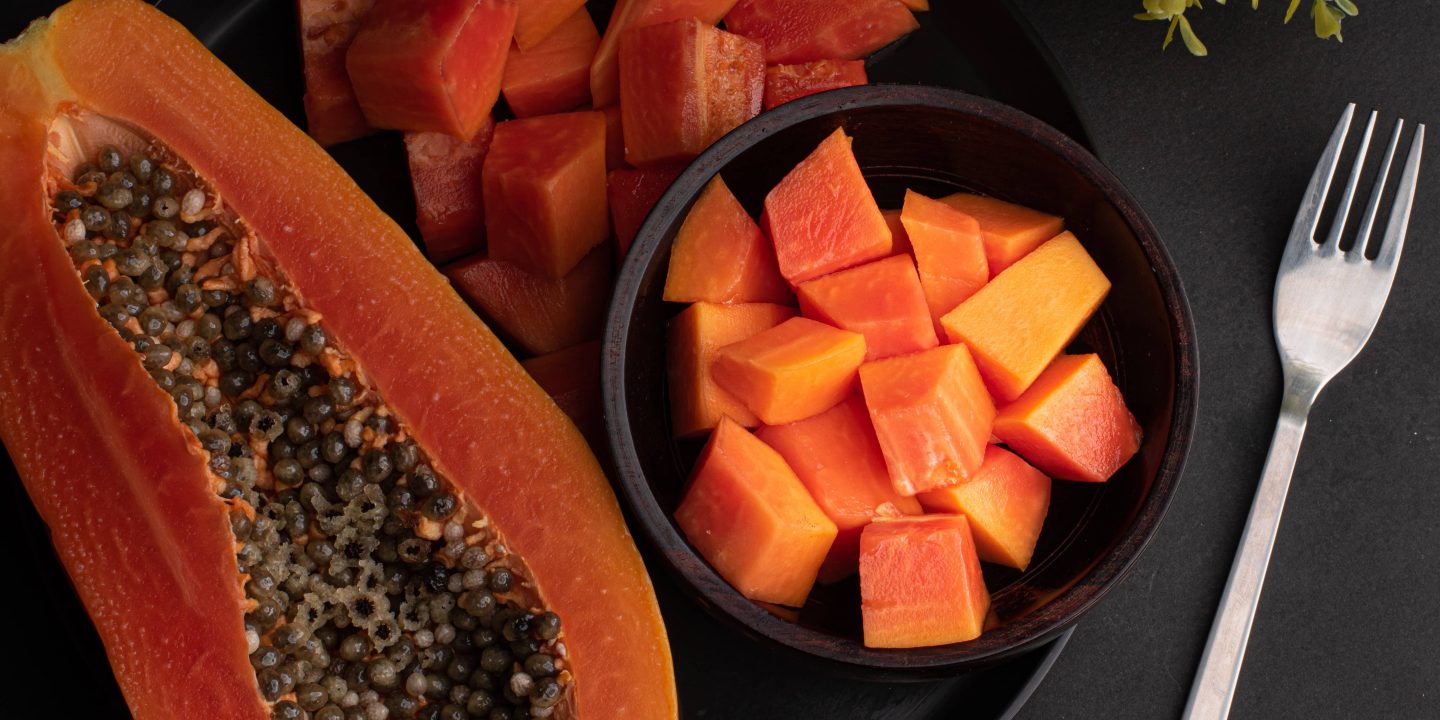
Papaya
Papayas grow in tropical climates and are also known as papaws or pawpaws. Their sweet taste, vibrant color, and the wide variety of health benefits they provide make them a popular fruit. The papaya, a previously exotic and rare fruit, is now available at most times of the year. Papaya has fiber, vitamin C, calories, carbohydrate, folate, Vitamin A, magnesium, copper, pantothenic acid, B vitamins, alpha and beta-carotene, lutein, zeaxanthin, vitamin E, calcium, potassium, vitamin K, and lycopene.
Here are some benefits of papaya-
- Zeaxanthin, an antioxidant found in papaya, filters out harmful blue light rays, thus, it is thought to play a protective role in eye health, and it may ward off macular degeneration.
- The risk of developing asthma is lower in people who consume a high amount of certain nutrients and one of these nutrients is beta-carotene, contained in foods like papaya.
- Consuming the antioxidant beta-carotene, found in papayas, may reduce cancer risk and among younger men, diets rich in beta-carotene may play a protective role against prostate cancer.
- Low intakes of vitamin in papaya K have been associated with a higher risk of bone fracture and adequate vitamin K consumption is important for good health, as it improves calcium absorption and may reduce urinary excretion of calcium, meaning there is more calcium in the body to strengthen and rebuild bones.
- Papaya provides fiber and studies have shown that people with type 1 diabetes who consume high-fiber diets have lower blood glucose levels, and people with type 2 diabetes may have improved blood sugar, lipid, and insulin levels.
- Papayas contain an enzyme called papain that aids digestion; in fact, it can be used as a meat tenderizer and papaya is also high in fiber and water content, both of which help to prevent constipation and promote regularity and a healthy digestive tract.
- The fiber, potassium, and vitamin content in papaya all help to ward off heart disease and an increase in potassium intake along with a decrease in sodium intake is the most important dietary change that a person can make to reduce their risk of cardiovascular disease.
- Choline is a very important and versatile nutrient found in papayas that aids our bodies in sleep, muscle movement, learning, and memory, and choline also helps to maintain the structure of cellular membranes, aids in the transmission of nerve impulses, assists in the absorption of fat, and reduces chronic inflammation.
- When used topically, mashed papaya appears to be beneficial for promoting wound healing and preventing infection of burned areas, and ointments containing the papain enzyme have also been used to treat decubitus ulcers (bedsores).
- Papaya is also great for hair because it contains vitamin A, a nutrient required for sebum production, which keeps hair moisturized, and adequate intake of vitamin C, which papaya can provide, is needed for the building and maintenance of collagen, which provides structure to skin.
There are many simple ways to add papaya to a diet. The fruit is quite tricky to eat, as it is very juicy. Here are some recipes –
- Make a tropical fruit salad with fresh papaya, pineapple, and mango.
- Muddle papaya into a glass of lemonade, iced tea, or water for a burst of fresh fruity flavor.
- Make a fresh salsa with papaya, mango, jalapeno, red peppers, and chipotle pepper. Use as a topping for fish tacos.
- Add a few slices of frozen papaya to smoothies. Combine with pineapple juice, half a frozen banana, and Greek yogurt for a sweet tropical treat.
People with a latex allergy may also be allergic to papaya because papayas contain enzymes called chitanases.
References