

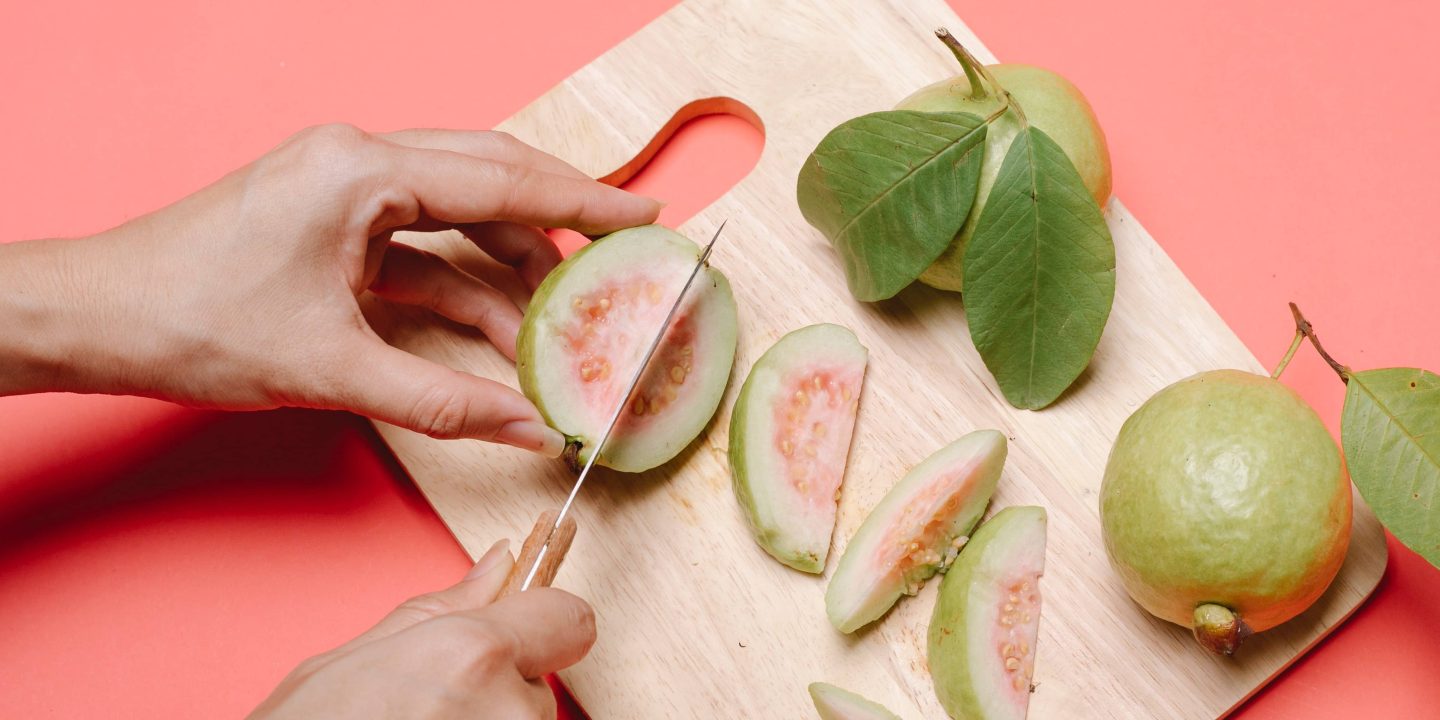
Guava
Guava is a sweet and delicious fruit cultivated in tropical climates. This seasonal fruit, mostly eaten raw (when ripe or semi-ripe) or consumed in the form of juice, jams, and jellies. Some say it has a floral taste, a cross between a pear and a strawberry. It is one of the least chemically treated and sprayed fruits. Guava leaves also have many benefits. This popular fruit is a powerhouse of nutrients. The guava fruit contains vitamin C, A, E, B-vitamins, as well as potassium, phosphorus, magnesium, calcium, sodium, and zinc. Here are some health benefits of guava-
- The naturally high content of vitamin C in guavas helps boost the immune system and the antioxidants in the fruit help defend the body against the proliferation of free radicals in the body, which are one of the main causes of serious conditions like cancer and heart diseases.
- The intake of guava can also help patients suffering from diabetes as it contains a high level of dietary fiber, which has a beneficial effect on lowering blood glucose levels in the body and consuming it may help prevent the risk of type-2 diabetes.
- Guava helped reduce LDL cholesterol levels and blood pressure in study participants and the fruit, being very rich in fiber and hypoglycemic in nature, was also beneficial in helping to reduce blood pressure.
- Guava is a good source of copper, a mineral important for regulating metabolism by helping to control hormone production and absorption and the thyroid hormones play a significant role in energy regulation and metabolism in the body.
- Guavas contain 4 times more vitamin C than oranges and the deficiency of vitamin C can cause scurvy; the only known remedy for this dangerous disease is an adequate intake of vitamin C.
- Guava has properties that are thought to help against a number of digestive disorders like diarrhea and dysentery and whether you chew on its leaves or eat the raw fruit, the astringent qualities add substance to lose bowels and reduce the symptoms of diarrhea.
- Other nutrients such as vitamin C, carotenoids and potassium, strengthen the digestive system while simultaneously disinfecting it and the fruit is also beneficial in cases of gastroenteritis for similar reasons.
- Guava is one of the richest sources of dietary fiber amongst fruits, and its seeds serve as excellent laxatives and these two properties help the formation of healthy bowel movements, aid in retaining water in the body and keep your intestinal tract in good health. Another tremendous benefit of guava is the presence of B vitamins, B3 and B6, and vitamin B3 (also known as niacin) can increase blood flow and stimulates cognitive function, whereas vitamin B6 is a nutrient correlated with brain and nerve function.
- Guava is one of the richest sources of vitamin C and iron among fruits – both of which are nutrients effective in preventing or lessening colds and viral infections.
- Guava is very helpful for people wanting to lose weight without compromising their intake of vital proteins, vitamins, minerals, and fiber as it is high in roughage (fiber), has no cholesterol and contains a low number of digestible carbohydrates.
- Guavas can improve the health of your skin and help you avoid skin problems and this is chiefly due to the abundance of astringents available in the fruit (more astringents are present in the immature variety).
- Guava is a good source of vitamin A, well known as a booster for vision health (or heath of the eye in seeing) and it can help slow down the appearance of cataracts, macular degeneration, and improve the overall health of the eyes.
- Guava juice is rich in vitamin C and a number of other important phytonutrients that can help reduce and even eliminate free radicals, slowing down oxidative stress in the body.
- Apart from the fruit, the leaves also have many benefits and the juice of guava leaves has been known to provide relief from toothaches, heal swollen gums and oral diseases.
References